
Annual Scientific Retreats
Overview
Our annual retreat builds community, provides a forum for trainee presentations, fosters cross-disciplinary feedback, and connects trainees and mentors across participating institutions.
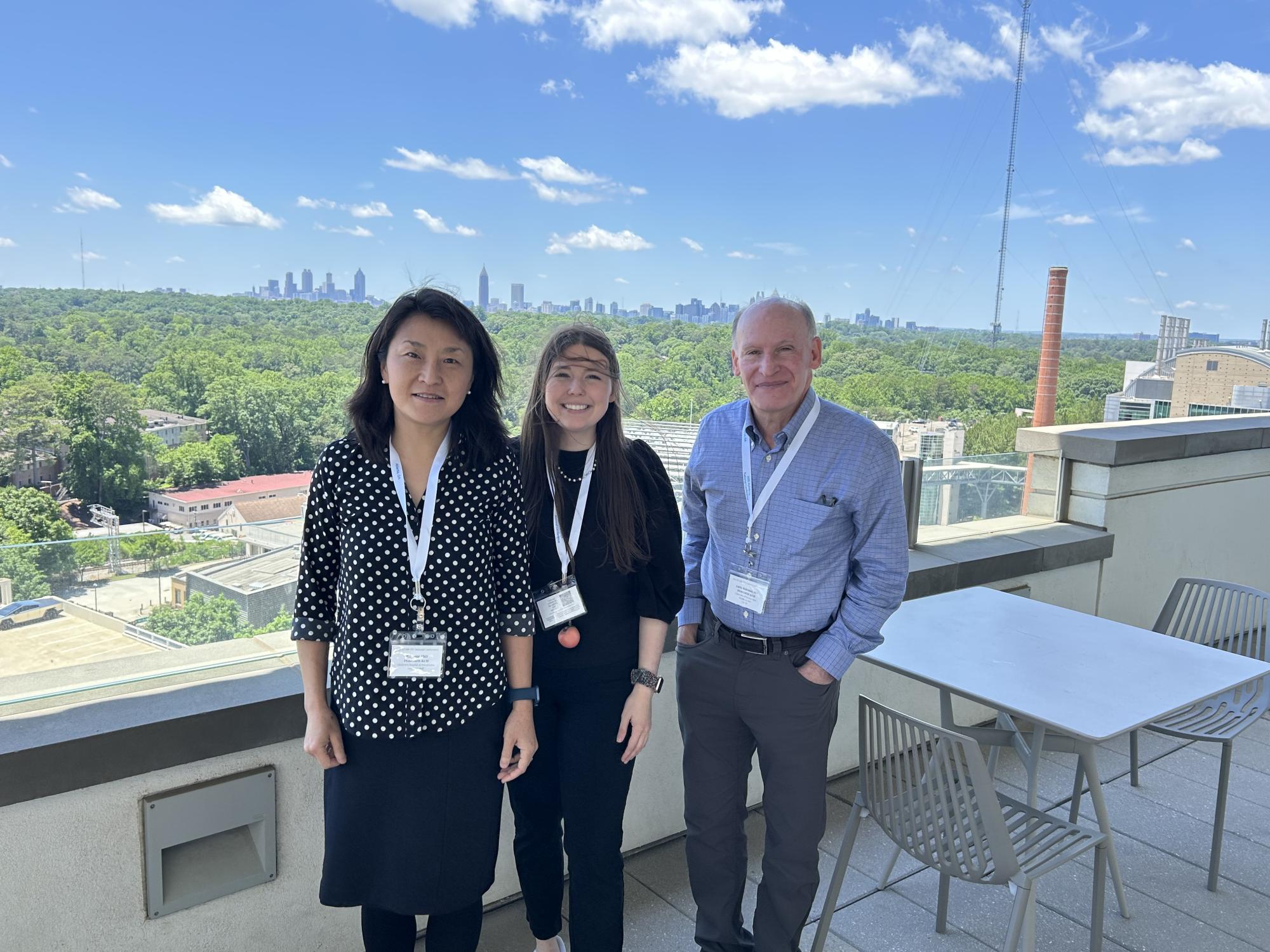
PERFORM-KUH also participates in the national KUHR-TN annual meeting. The meeting is designed to help trainees and program leaders exchange ideas, share research, learn about professional development and mentoring, and build networks across NIDDK-supported KUH training programs.
PERFORM-KUH Scientific Retreat is an annual, in-person event hosted on a rotating basis at the campuses of the five participating Philadelphia institutions. It serves as a central forum for research exchange and community building, bringing together trainees, faculty mentors, and program leadership from across the consortium.
Key Components and Activities
- Trainee Presentations: All trainees are required to present their work annually at the retreat. Specifically, second-year fellows deliver short research seminars to provide an in-depth overview of their progress.
- Poster Sessions: The retreat features a poster session, typically held during lunch, allowing all trainees to present their projects and interact with peers and faculty in an informal setting.
- Scientific Keynotes: Notable invited experts deliver scientific talks. For instance, Dr. Katalin Susztak served as a keynote speaker for the October retreat, discussing rethinking nephrology.
- Professional Development: The agenda includes sessions dedicated to career advancement, such as career panels moderated by trainees and featuring experienced researchers.
- Networking and Social Events: To foster interdisciplinary connections, the retreat concludes with a social event, such as a reception with hors d’oeuvres.
Governance and Evaluation Role
The retreat is integrated into the program’s oversight and evaluation process:
- External Advisory Board (EEB) Oversight: The SC reports to the External Advisory Board during an annual meeting timed to coincide with the retreat.
- Direct Feedback: EAB members attend the retreat to review the program’s performance, listen to trainee presentations, and collect feedback directly from trainees.
- Trainee Involvement: Trainees are actively involved in the planning and organization of the retreat, including hosting invited speakers.
This year's scientific retreat isscheduled for the third week of September. Sample agenda to follow...